Building, and the rest of it
The short version of how I got here, what I'm making at the moment, and what I'm like to work with.
I started on oil rigs. Three-week rotations in the North Sea running well completions as a field engineer, in my early twenties, often the only woman on the platform. It's a strange place to learn product management, and it left me with two habits that never went away: check the thing before you trust it, and notice that the most confident voice in the room isn't reliably the one that's right.
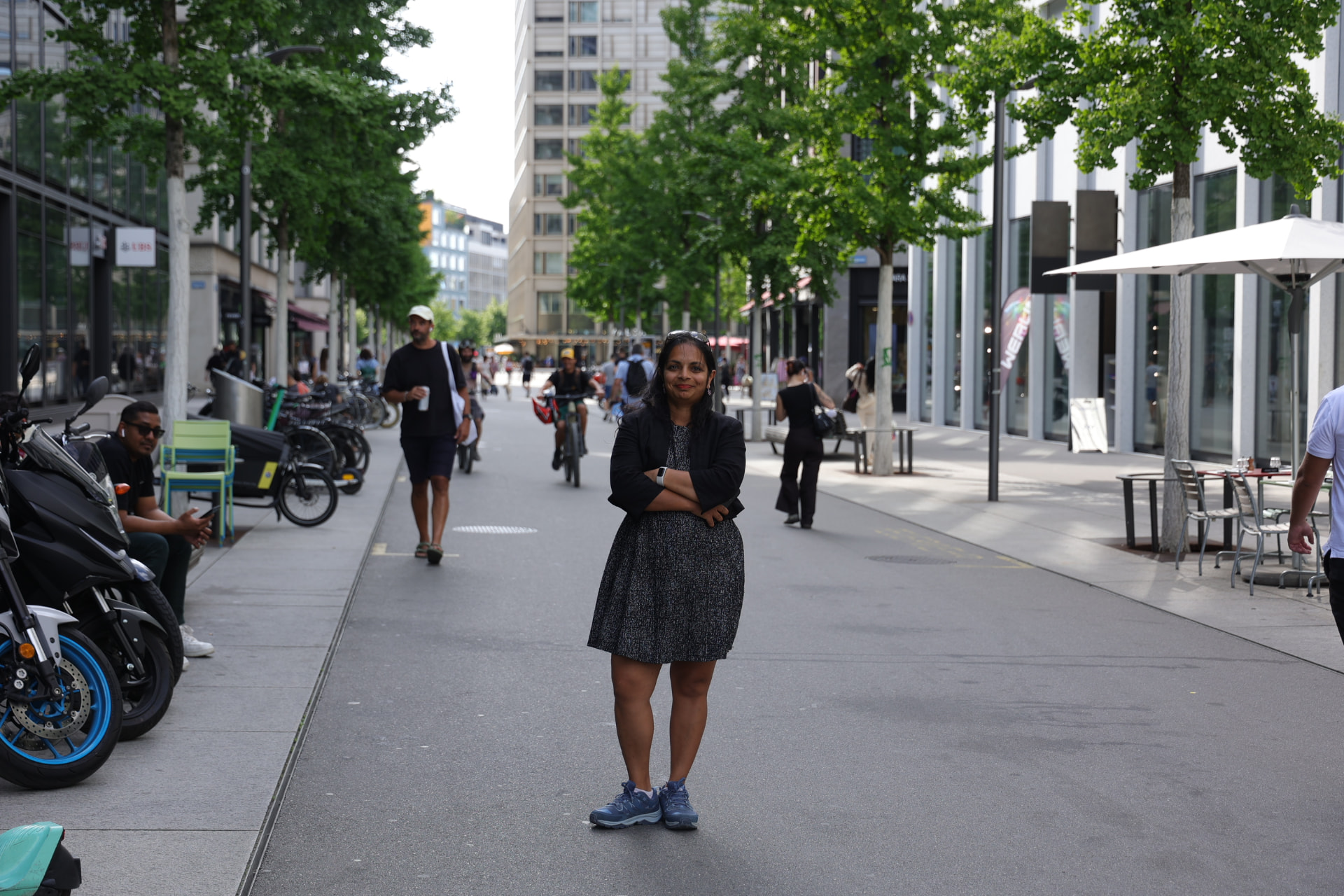
What I'm building now
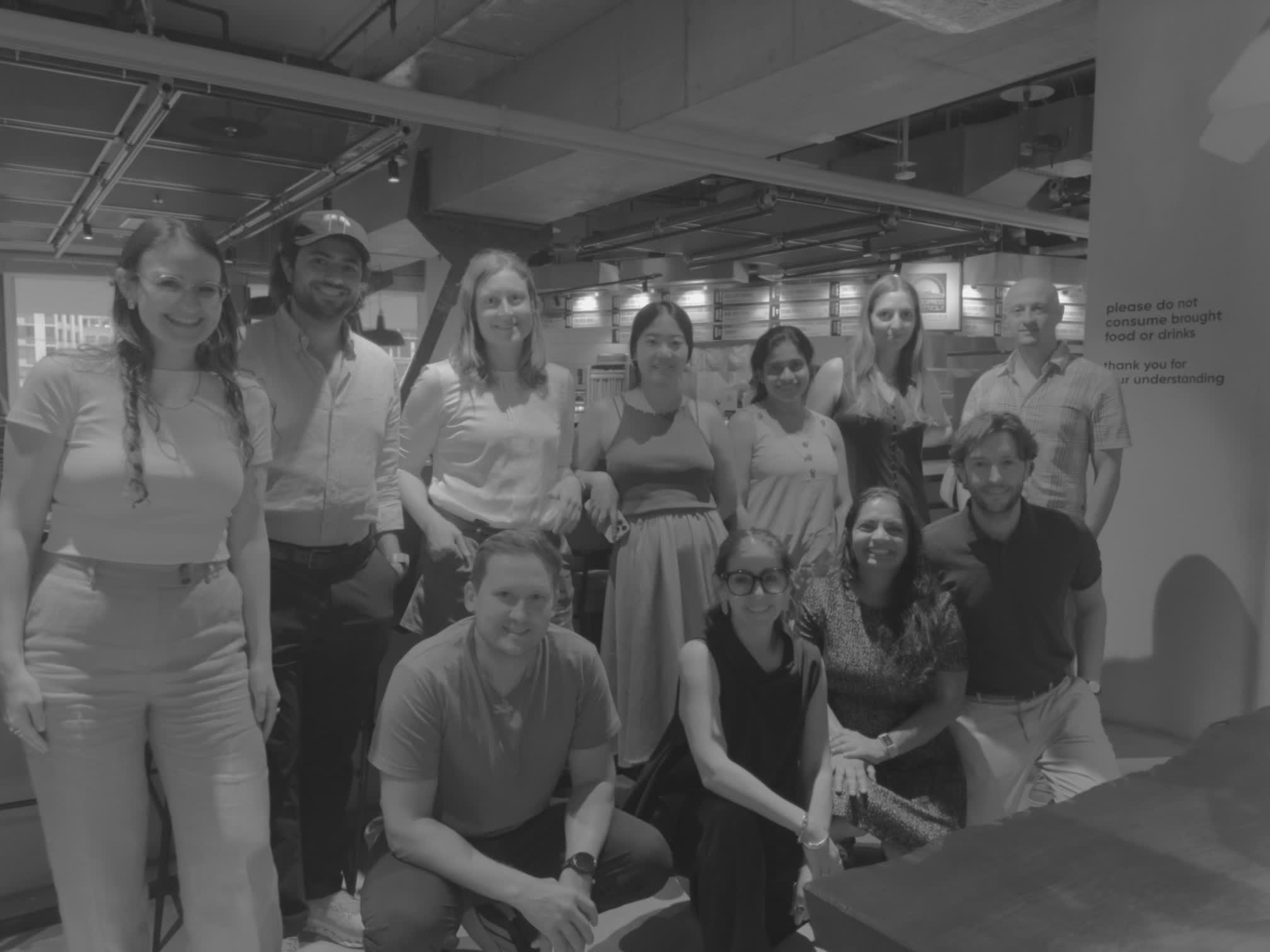
AI Jam
I co-founded AI Jam with Noëmi Kaufmann in Zürich this year. Ninety minutes, in a room, actually building something with AI tools. No talks, no slides. Two jams so far, 19 builders, and it's doubling: six at the first, thirteen at the second. It exists because I kept meeting people who had read everything about AI and built nothing with it, and it turns out the gap between those two states is about one evening.
jamming-ai.com →prioritize4me
An open-source, local-first assistant that runs inside Claude Desktop. It remembers what you told people you'd do, files it with citations, answers only from what it can prove, and tracks what's slipping. The half holding your private data has no network access, so a poisoned web page can't reach your notes. MIT licensed. I built it because I wanted it, then kept going because the security model turned out to be the interesting part.
github.com/shailipankaj/prioritize4me →Yoga with Gana
Gana has recently opened her yoga studio in Vilters. To grow it she needs to reach more people locally, so I started with a site in German, which is the language her students search in. Next comes SEO and online booking, which takes the manual work off her: right now she's chasing attendance over WhatsApp, and subscriptions and late cancellations are all handled by hand. Same funnel I'd build anywhere, at a very different scale.
yogawithgana.ch →Three sites this year, counting the one you're reading. All of them in Lovable and Claude Code, largely to find out where the tools break.
- ABERDEEN
- RAVENNA
- ABU DHABI
- FONTAINEBLEAU
- LONDON
- ZÜRICH
Off the clock

Improv theatre in Vaduz. Nothing has taught me more about reading a room, or about committing to a bad idea fast enough to find the good one behind it.
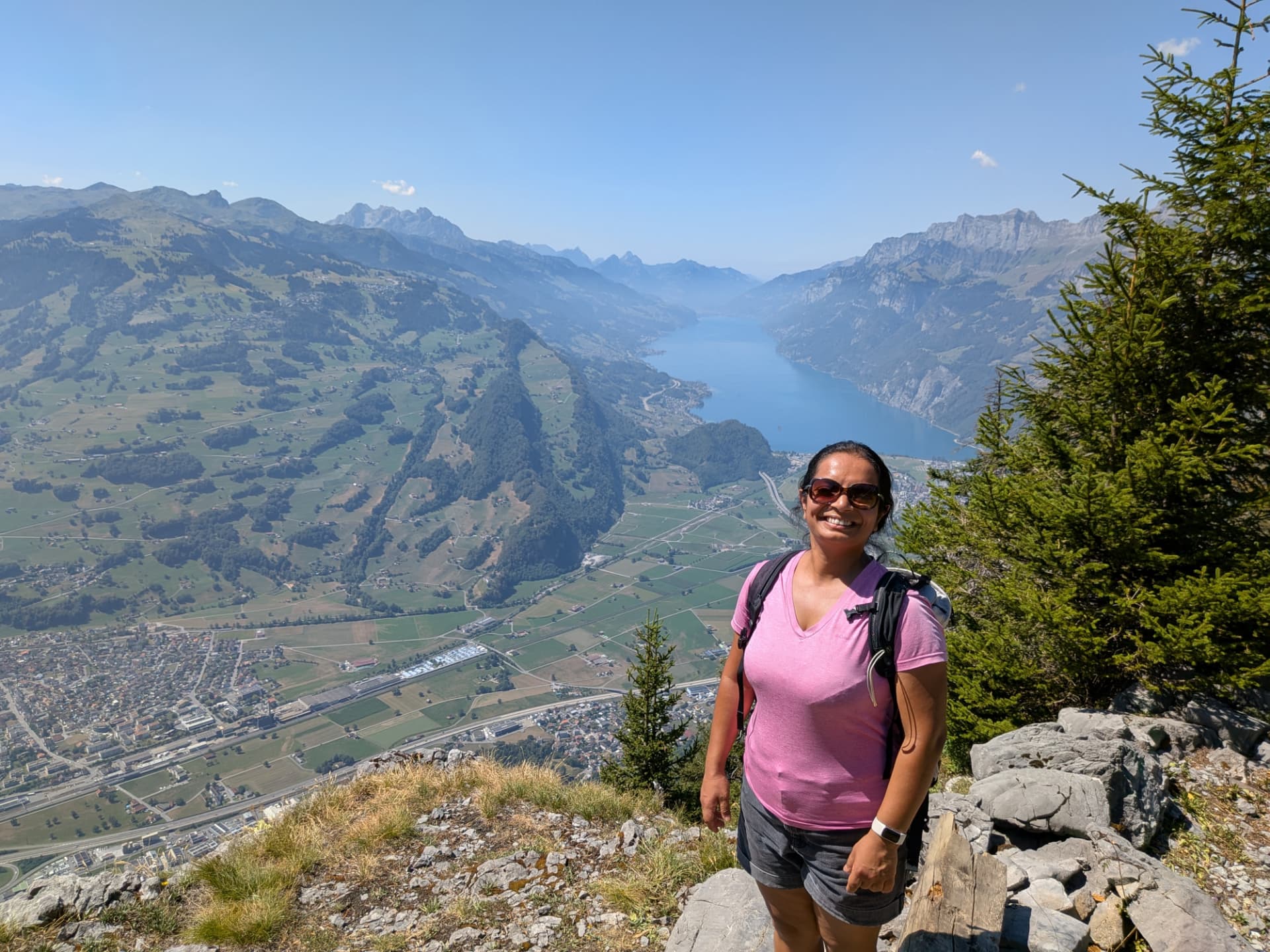
Hiking and cycling in the Alps. Most of the reason we live where we live.
Five languages. English and Hindi natively. German, Italian and French to a level that survives a dinner party. Finnish is a work in progress and going badly.
A working mother, which is the single biggest thing that made me good at prioritisation.
ON-TRACK, a programme for INSEAD alumnae returning to work, which I help run.
Eight countries so far, starting with UWC Atlantic in Wales before Cambridge, which is where the habit came from.
How I work
- 1
Make the call, then name the disconfirmer.
My job isn't to be certain. It's to say what I think we should do, then say exactly what would change my mind and what the cheapest way to find that out is.
- 2
Foundations before wins.
You can't run a serious growth programme on data you don't trust. I'd rather spend a quarter making the numbers real than a year making decisions on numbers that aren't.
- 3
Set the what, not the how.
I hire people who know things I don't, so the useful thing I can do is be clear about the outcome and then get out of the way. My reports have consistently named this as the best part of working for me, and I'll take it.
- 4
Kill things on the arithmetic.
I've killed a pricing tier that tested well and a paid acquisition channel six months into its life, both because the numbers said they'd cost more than they earned. Being able to stop is part of being able to start.
- 5
Customer-first, not me-first.
The clearest version of this: during a three-month CRM migration we spent weeks planning how to move customers who were halfway through a flow, rather than letting a few thousand people restart. Our migration, our problem.
- 6
Say the failures out loud.
Every experiment programme I've built has run company-wide demos that included the tests that didn't work. It's the only way the practice spreads past the team that owns it.
Eight years at Schlumberger took me from Aberdeen to Ravenna to Abu Dhabi, from field engineering to running quality across Continental Europe to teaching at the global training centre. I was named Best Instructor of 2014 out of eighty, six months after a manager told me I'd been trying to be the expert in the room instead of helping people learn. That's still the most useful feedback anyone has given me.
Then INSEAD, and a deliberate switch into tech. Amazon Prime Video for the UK and Germany launch of Channels. Gett for three years, where I ran a nine-city marketplace, then product marketing through a rebrand, then B2B retention across three countries.
Then Doodle, for four years. I joined as Director of Growth and left as Chief Growth Officer with eighteen people across product growth, marketing, brand, CX and support. We took subscription revenue from $2M to $8M, moved the business off advertising, and built the experimentation and data foundation the whole thing ran on. Five pieces of that are written up on the work page.
The throughline is one I only saw after someone else pointed it out. I keep walking into businesses that have real product-market fit and a stalled engine, and rebuilding the engine across whatever functions it takes. That's the work I want more of.
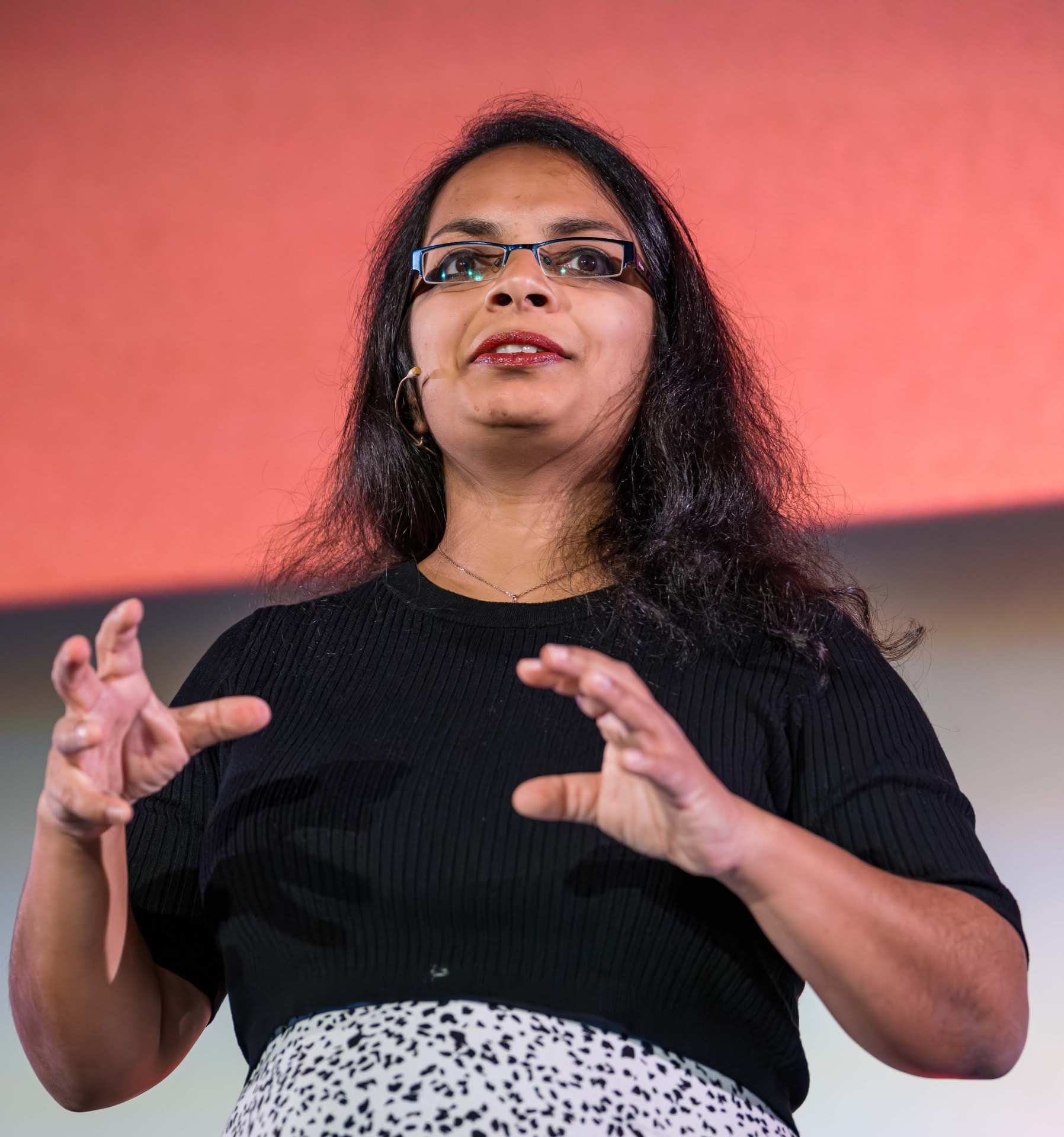
Speaking
Product Management Festival, Zürich, 2024. Product-Led Summit, Amsterdam, 2024. Happy to do more, particularly on pricing and on what AI adoption actually looks like inside a company that isn't an AI company.
Watch the PMF talk →